Skype Lifecycle Analysis:
Strategic Product Audit
A strategic teardown of how a billion-dollar product lost its core, and what could have saved it.
Read Full Research Doc

Context
Skype revolutionized internet communication in the early 2000s — connecting millions through free voice and video calls long before “Zoom” became a verb.
But by 2025, the same product that once shaped global communication was retired by Microsoft.
I studied Skype’s product lifecycle to uncover where it lost alignment with its users, and to propose how it could have pivoted strategically to stay relevant.
Objective
To analyze Skype’s journey through the Product Lifecycle Framework, identify key missteps using strategic PM models, and develop a realistic pivot strategy aligned with its core strengths.
Process
1. Lifecycle Mapping
Strategic Insights
Product leadership is temporary — continuous PMF validation is non-negotiable.
Innovation ≠ complexity — expanding features without reinforcing the core confuses users.
Positioning clarity drives retention — being for “everyone” made Skype for no one.
What I’d Do Differently
Transform Skype into a white-label communications API for B2B, leveraging its infrastructure and brand equity.
This would reposition Skype from a direct consumer product to an enterprise enabler — a move aligned with Blue Ocean Strategy and Ansoff’s Diversification quadrant.
Reflection
This case study strengthened my ability to:
Apply structured PM frameworks to real-world failures
Translate post-mortem analysis into future-oriented strategy
Identify pivot paths that align with technical and business feasibility
One-liner takeaway: Even iconic products die when they stop listening — a PM’s real job is to help products evolve with their users.
Read Full Research Doc
Other Projects

Ride-Hailing Apps Research - Service Experience Insights
Product Strategy
Research
Opportunity Mapping
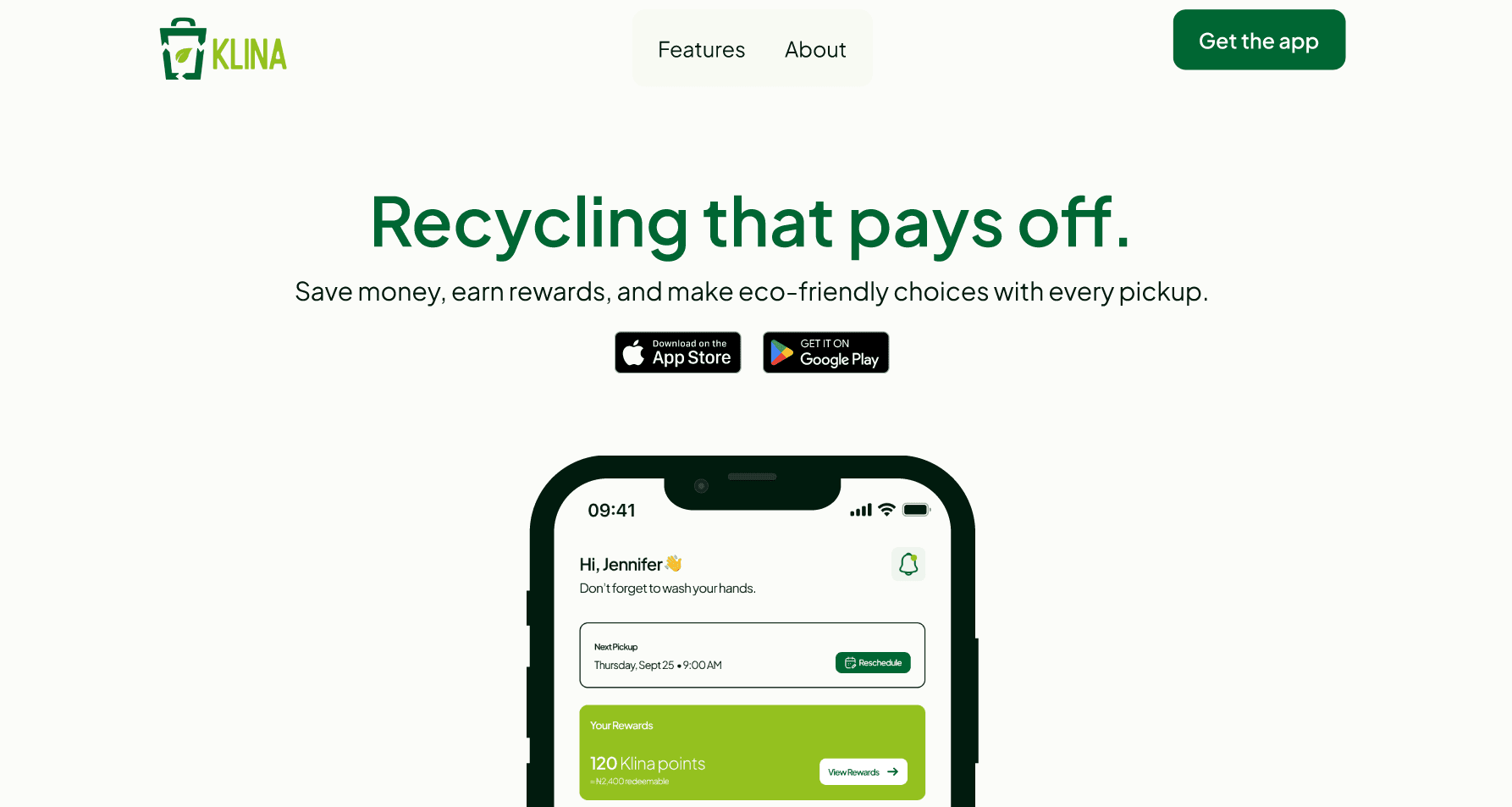
Klina - A waste management and eco-fintech solution
Product Management
UX Strategy
Market Research